Assessment and Treatment of Neuro Injuries and Illness (5 hours - Basic, Intermediate and Paramedic levels) |
 ___________________________________________________________________________________________ ___________________________________________________________________________________________
Purpose: To update and expand the knowledge of both the basic and the advanced EMT, relating to assessment and treatment of neurological injuries and illness. Goal: To enable EMTs to better assess and manage victims neurological injuries and illness. To gain realization as to the importance of rapid and proper intervention in treatment of these injuries. Objectives: To identify the parts of the nervous system and have a better understanding of their functionTo identify factors to be elicited when evaluating the nervous system, including trauma and non-trauma related problems.Describe the Glasgow Coma ScaleReview the differences between the major types of seizures.To review the pathophysiology, assessment and management of various nervous system disorders. - Review Anatomy and Physiology (1 hour)
- Central nervous system
- Peripheral nervous system
- Assessment of the Neurological System (1 hour)
- Primary assessment
- Secondary assessment
- Patient history
- Neurological evaluation
- AVPU
- Glasgow Coma Scale
Break - 15 minutes - Nervous System Emergencies (1.5 hours)
- Altered mental status
- Seizures
- Cerebrovascular accident - CVA
- Distinguishing transient ischemic attacks - TIA's
- Trauma
- Head Injuries
- How the brain is injured
- Assessment of the head-injured patient
- Scalp injuries
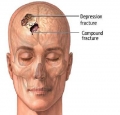
- Skull injuries
- Brain injuries
- Management of the head-injured patient
- Spinal Injury
- When to suspect a spinal cord injury
- Assessment of the patient with possible spinal cord injury
- Treatment of the patient with suspected spinal cord injury
- Spinal immobilization
Break - 15 minutes - Case review (1 hour)
- Question and Answers (20 mins)
|



